A.E.BERRIMAN. MOTORING (1914)
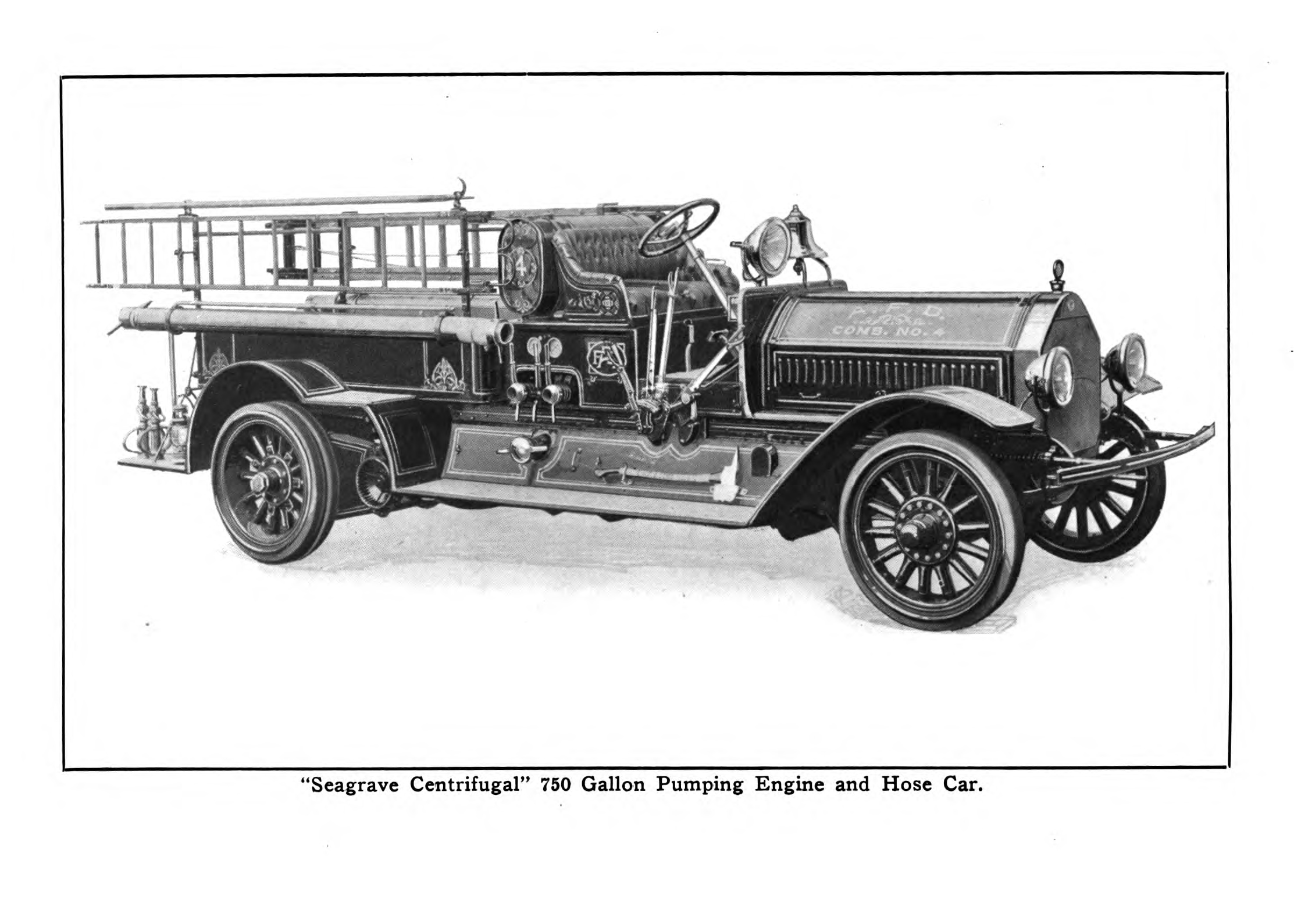
The second edition Seagrave Firepumper text book printed 1919 explains:
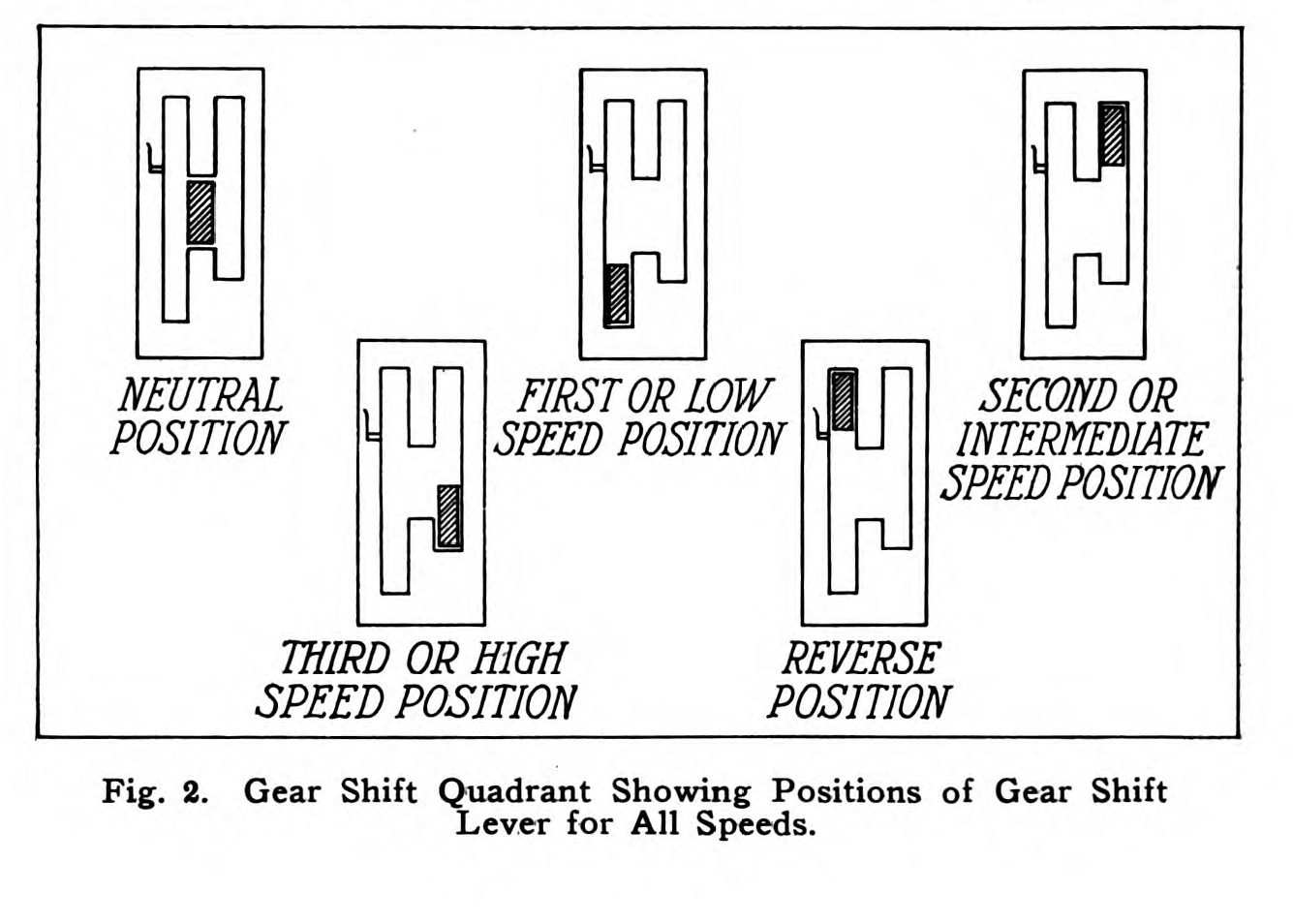
See that the gear shifting lever is in neutral position. Full instructions regarding this lever are given on page 120. Advance the throttle lever (the longer lever on top of steering wheel) about one inch on the quadrant. If the engine does not start readily upon cranking, open the throttle a little more.Set the Spark Lever (the shorter lever on top of steering wheel) at the bottom of the quadrant. Never crank the engine when this lever is in any other position unless you know what you are doing. Otherwise, you will be is danger of injury from the kick-back of the starting crank. Have the emergency brake set so the car will not roll forward nor backward while cranking. Pull out the compression release.
In case the battery has run down, the engine can be started on the magneto. The throttle should be open about one inch on the quadrant. Put the magneto switch int the “on” position; advance the spark lever not more than half way up the quadrant, and crank the engine by spinning the crank rapidly, if possible. Or, if this cannot be done, pull up on the crank quickly. Never push down on the crank, for should the engine back-fire, you would be caught in a position from which you could not escape without injury. This should not be attempted by an inexperienced operator.
To Start the Car
After taking seat at the steering wheel, release the hand brake.
Never forget to release this brake; otherwise, the engine will have to pull against this brake, besides pulling the load of the car when it starts. If the car stands on an incline so that it would roll when the hand brake is released, the driver should hold the car by means of the foot brake until ready to start when this should be released.
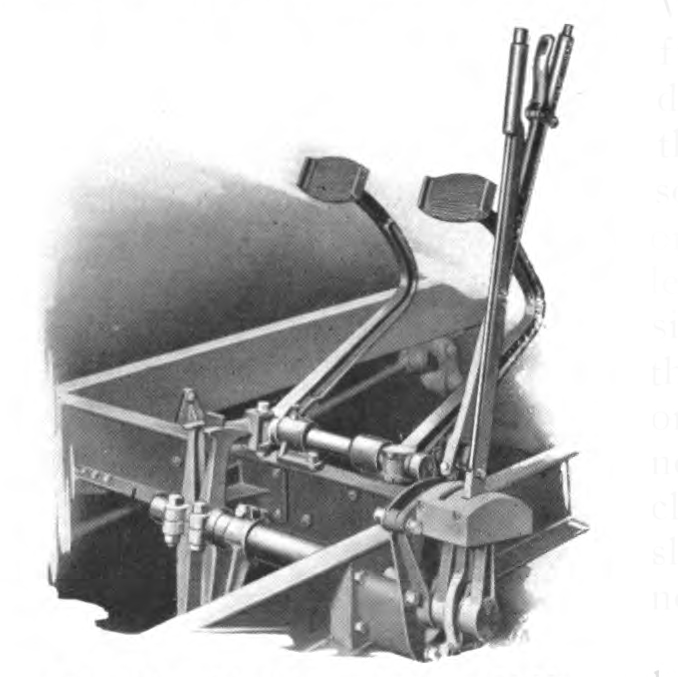
Disengage the clutch by pushing the pedal with the left foot as far forward as it will go. It is not necessary to put an undue strain upon this pedal, and the driver can readily tell when it has reached the limit of its travel. This operation is commonly known in automobile practice as throwing the clutch “out.” Hold the clutch “out” while the gear shift lever is moved towardyou sidewise and then draw it back into first speed position. Be sure that the spark lever is advanced toward the top of the quadrant. Increase the speed of the engine slightly by moving the throttle lever an inch or so up on the quadrant. Let the clutch in gently by gradually releasing pressure on the foot pedal. The car will now move forward.
To Stop the Car
Push out both foot pedals, gradually increasing the pressure on the brake pedal until the car has come to a stop. At the same time,reduce the engine speed by moving the throttle lever toward the bottom of the quadrant to prevent the engine from racing. When the car has almost stopped, and while still holding out the clutch, place the gear shift lever in neutral position, then let the clutch in. If the car is left standing, set the emergency brake and release the pressure on the foot brake.
It is just important to be able to stop a car and to start it. And at any time you become confused or are in doubt as to what to do do, the first thing is to bring the car to a complete stop.